As we move into a new year, many people take stock of their health with fresh intention—yet this season of transition can also bring heightened stress, lingering fatigue from the holidays, and emotions that feel closer to the surface. For some, symptoms flare. For others, anxiety increases, energy dips, or old health concerns resurface seemingly out of nowhere.
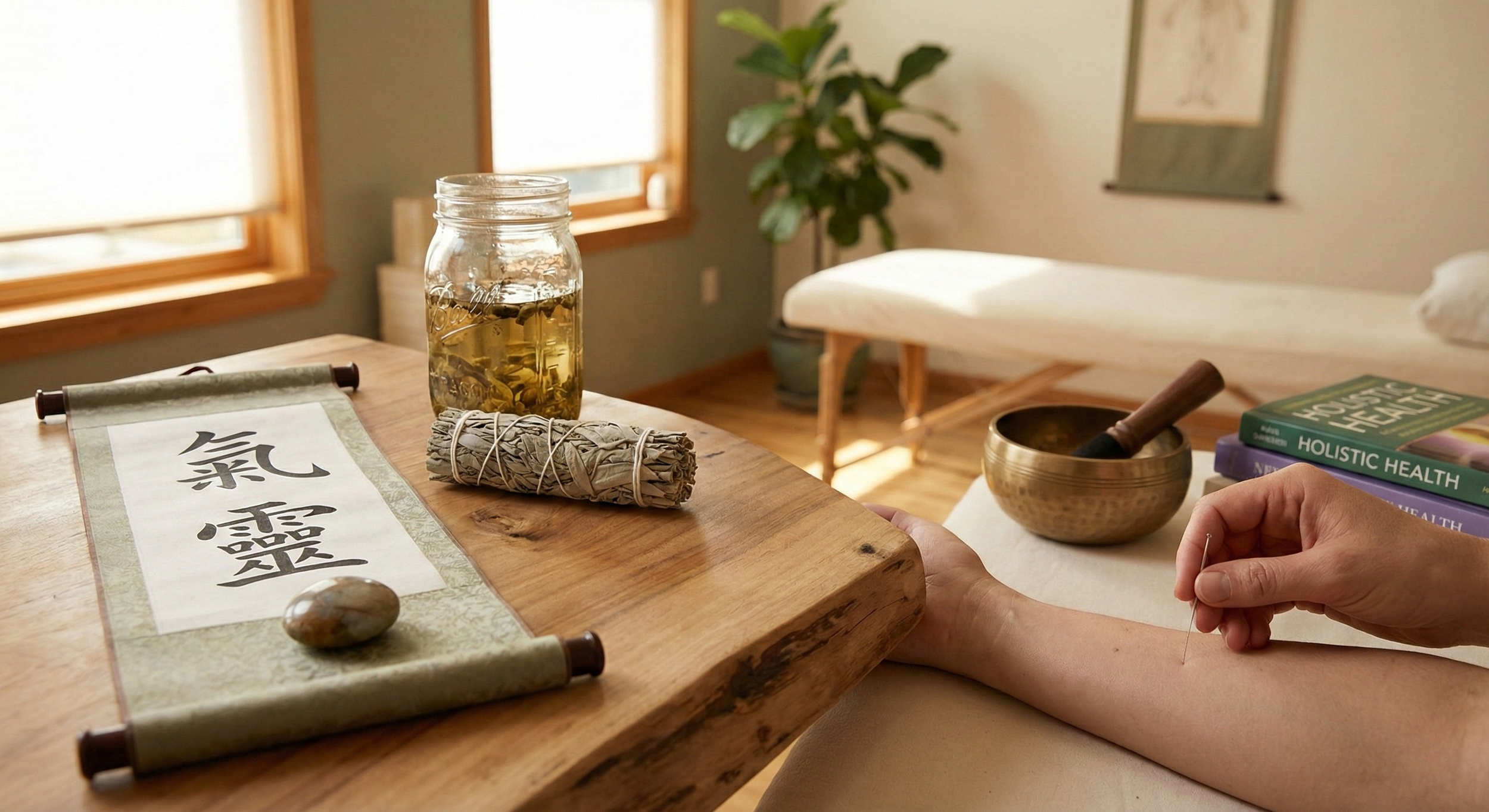
I am trained as a Naturopathic Doctor and Acupuncturist and practice as an Acupuncture Physician in Florida. In my clinical work, I’ve seen this pattern repeatedly.
Patients often tell me:
“I was fine… until something happened...”
Until grief.
Until trauma.
Until prolonged stress or caregiving.
Until fear or anxiety.
Until loss or major life transition.
These moments are rarely just emotional. They leave an imprint on the body.
Health Is More Than Physical; An Integrative Approach
Western medicine is good at treating symptoms—and symptoms matter. But when nothing else changes, those symptoms often return. Why?
Because the root cause has not been addressed.
True healing involves the body, mind, and spirit working together. When one area is under strain, the others are affected as well.
Modern research increasingly supports what ancient healing systems and Scripture have long taught us: emotional stress and unresolved trauma may contribute to 50–80% of chronic illness, outweighing factors like toxins, infections, or physical injury.
Whether you’re Christian or have another religion or spiritual practice, there is a tremendous amount of wisdom in scripture, which I personally refer to often. I encourage as you read this, to spend time and think on certain areas of your life where you may benefit from spiritual work.
Integrative medicine does not replace faith—it can be a tool that helps us understand how spiritual and emotional stress manifests physically, so those obstacles to healing can be addressed.
Separation and Disease
Much of what I share here has been influenced by the work of the late Dr. Henry Wright, founder of Be in Health, a ministry that has spent decades studying the spiritual roots of disease.
Dr. Wright taught that many chronic illnesses stem from separation:
When these separations persist, they create internal stress patterns that affect physical health.
Emotions That Affect the Body
Many sources indicate that we are inherently made from love and wholeness. Persistent negative emotions—those rooted in fear, bitterness, or rejection—do not come from love. When left unaddressed, balance is disrupted and the negative emotions can become chronic, obstacles to healing.
Below are several emotional-spiritual patterns I commonly see in clinical practice, along with how they may affect the body from a western and Traditional Chinese Medicine (TCM) perspective.
Self-Pity
Self-pity turns our focus inward and often binds us to the past. In Traditional Chinese Medicine (TCM), it is associated with weakened Spleen Qi, which governs digestion, energy, and mental clarity.
When the Spleen is deficient:
Healing begins with recognition—becoming aware of the thought pattern and choosing gratitude and presence instead.
Accusation
Satan is referred to as “the accuser.” Accusation—toward others or ourselves—creates division and unrest.
Living in accusation disrupts peace and can strain relationships, which in turn affects health. Letting go of accusation often brings a profound sense of emotional and physical relief.
Bitterness and Anger
Bitterness and anger have become normalized in modern culture, but they carry a heavy physiological burden.
In TCM, these emotions affect the Liver, disrupting the free flow of energy and blood.
This stagnation may show up as:
Unresolved anger often enters with hurt and unforgiveness. This has also been referred to as: “murder with the tongue.”
This can be murder of the tongue toward self, toward others and even the creator.
Healing requires recognition, forgiveness, self-care and—when appropriate—supportive therapies that help the body release stored tension. We actually have acupuncture points that can open up and release this type of stuck anger - but you still need to be able to Recognize when anger and bitterness is entering and cast it out, as well as forgive yourself and others.
Envy and Jealousy
Envy quietly undermines both emotional and physical health.
It has been said that envy rots the bones.
In TCM:
Over time, this combination may contribute to fatigue, anxiety, or hormonal imbalance.
Rejection
Rejection assigns our value based on others rather than on God. When deeply held, it can lead to withdrawal, fear of failure, and fear of abandonment.
In Chinese medicine, rejection affects:
Addressing rejection often opens the door to improved breathing, energy, and emotional resilience.
Misplaced Dependence (Idolatry)
Spiritual health is rooted in trust and relationship with God. When our sense of security or identity becomes tied to external things—possessions, achievements, or even health itself—imbalance can occur.
We are encouraged to remain rooted in God rather than being led astray by empty promises and tangible, superficial possessions (during the holidays it is easy to turn material items into “idols”) and other times of the year, it’s easy to get carried away with the “keeping up with the Jones’s” mindset.
In the body, this kind of internal unrest may show up as restlessness, anxiety, or emotional highs and lows when the “idol” is unavailable or unobtainable.
Difficulty Giving or Receiving Love
When someone has experienced emotional or physical wounds, they may protect themselves by closing off emotionally.
In Chinese medicine, this primarily affects the Heart, which governs emotional connection and joy. Secondary effects may involve:
Learning to receive love—especially God’s love—is often a critical step in healing.
Fear and Anxiety
Fear appears in Scripture more than 160 times, reminding us how deeply it affects human experience.
In Traditional Chinese Medicine, fear is rooted in the Kidneys, which govern willpower, vitality, and resilience. Chronic fear or anxiety may present as:
A Path Toward Freedom and Healing
So what do we do once we become aware of these thoughts? One helpful framework is what Dr. Wright called the Eight R’s:
This process supports both spiritual growth and physical healing.
A Final Reflection
Consider this- you are on this earth for a reason, you weren’t a mistake.
Your body is a temple. Treating it with care—physically, emotionally, and spiritually—is an act of stewardship.
Integrative Care as Support
Prayer, self-reflection, meditation and spiritual growth are foundational. Acupuncture and integrative health consultations can serve as supportive tools—helping calm the nervous system, restore balance, and remove obstacles to healing.
In addition to clinical care, there are both Scripture-based and spiritually oriented retreats that can be powerful complements to the healing journey. During consultations, I often recommend retreats that align with a patient’s personal faith background, emotional readiness, and health goals. These immersive experiences can offer space for reflection, restoration, and deeper healing that is sometimes difficult to access in everyday life.
There are also meaningful written resources that can support this process. One text I reference is Exposing the Spiritual Roots of Disease by Dr. Henry Wright. His work has helped shape much of the conversation around the connection between spiritual health, emotional patterns, and physical disease, and it continues to influence how many faith-based health practitioners approach healing at the root level.
I also want to share an upcoming book that I am deeply excited about: Speranza: How Pain Became the Path to Hope by a friend, Ashley. While this book will be released on April 7, 2026, I know the journey behind these pages. Ashley’s story is one of pain, perseverance, and profound hope, and I will be recommending her book as a powerful testimony of how suffering can be transformed into purpose and healing.
For those who feel drawn to reading her story, especially those battling chronic illness, preorders are available, and you can learn more or reserve a copy here: Speranza: How Pain Became the Path to Hope – Simon & Schuster.
If you feel called to explore a more integrative path—whether through acupuncture, personalized health consultations, retreats, or reflective resources— we are here for you.
Know that healing is not about perfection. It is about recognition, alignment, support, removing obstacles to restore vitality and allowing the space and time for the restoration to happen.
Wishing you peace, wholeness, and continued health.
— Dr. Carolyn Qubeck, ND, DOM
Sign up to stay updated on our articles and seasonal specials.
